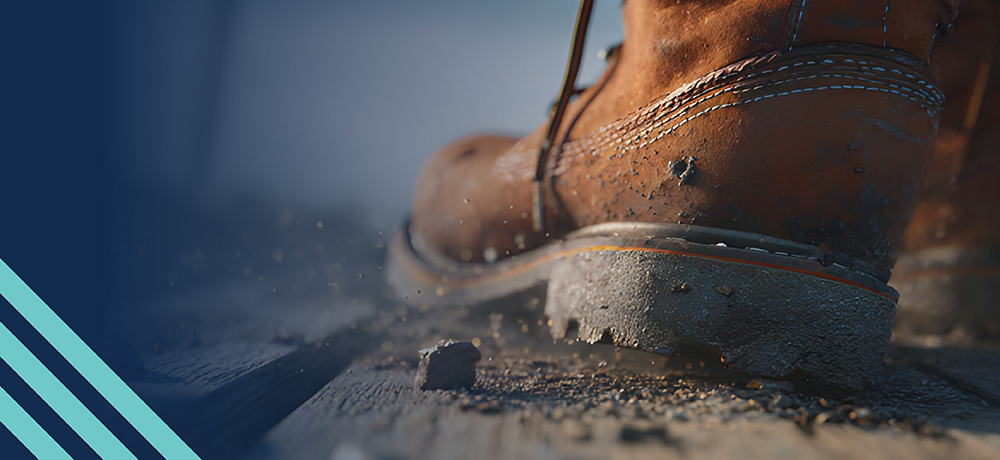
On a construction job site, the right footwear is more than part of the uniform.
It is essential protection against some of the most common hazards workers face every day.
Just like safe tool use and proper site practices, wearing approved protective boots helps prevent injuries and keeps crews productive.
Protection from impact
Composite toe and steel toe boots are designed to shield workers from falling tools, dropped materials and equipment that may roll onto the feet. In busy work zones where heavy objects are constantly being moved, that protection can make the difference between a close call and a serious injury.
Both composite toe and steel toe boots provide strong impact protection while also offering support and durability for demanding environments. Choosing the right option often depends on the job, weather conditions, and site requirements.
What matters most is wearing footwear that meets safety standards and is approved for the work being performed.
Added safety features
Many safety boots also include slip-resistant soles to reduce the risk of falls on wet or uneven surfaces. Puncture-resistant soles add another layer of defense against nails, metal scraps and other sharp objects commonly found on job sites. These features help workers stay steady and protected throughout the day.
Fit and maintenance matter
Fit and condition are just as important as the safety rating. Boots should fit properly, provide enough support for long shifts as well as remain comfortable throughout the workday. Poorly fitting footwear can lead to blisters or reduced stability, all of which create unnecessary risk.
Workers should inspect boots daily for cracks, worn soles or exposed toe caps. Keep boots dry whenever possible to prevent material breakdown and discomfort. Use proper insoles if extra support is needed during long shifts. Damaged boots should be replaced promptly rather than patched or ignored.
Follow site requirements
Footwear should never be modified in ways that reduce protection. Always follow site requirements for approved safety footwear and wear it consistently in designated work areas.
At the end of the day, protective footwear helps defend against impact injuries, slips, punctures, and fatigue. When workers wear well-maintained boots that fit correctly and meet site standards, they help create a safer job site for everyone.
Prioritize safety at all times
Questions or concerns about your safety on the job? Please call your local PRST team. You can also learn more about our safety policies on our Tradesperson Resource Center.