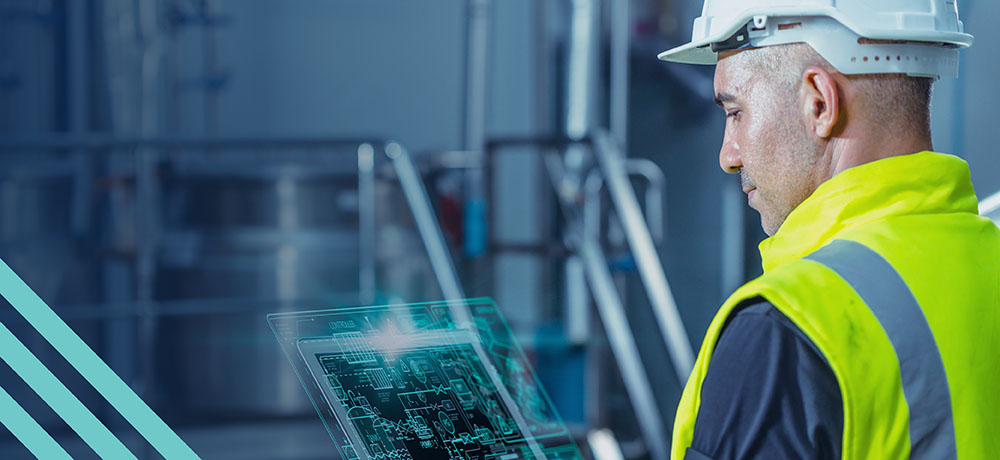
Technology isn’t a distant force in the skilled trades. It’s already here, reshaping how work is planned, executed, and experienced on a daily basis. For tradespeople in the field, understanding how data and artificial intelligence (AI) are influencing careers isn’t just about staying current; it’s about thriving in a rapidly evolving job market.
From the earliest design stages to schedule coordination and safety on the jobsite, the influence of AI and data analytics is growing stronger.
Here’s what that means for tradespeople today and in the future.
Smarter plans and faster execution
Design used to be the domain of manual drafts and lengthy revisions. Today, AI-powered tools are helping architects, engineers and builders explore multiple design options in minutes, factoring in materials, structural constraints, cost and sustainability. This “generative design” approach speeds up planning and uncovering optimal solutions.
For tradespeople, this creates two potential opportunities of improvement:
- Clearer, more precise blueprints that reduce surprises in the field.
- More involvement in design decisions, since systems can quickly model changes you propose and show their impact.
Rather than replacing your expertise, AI lets you focus on the high-value judgment that only humans can provide.
Scheduling and project flow
One of the biggest headaches in construction is coordinating people, materials, and machines because it’s a moving target with tight deadlines and shifting conditions. Traditional scheduling often relies on experience and guesswork. Now, predictive analytics can forecast labor needs, flag likely bottlenecks and even suggest which workers are best suited for specific tasks based on their skills and past performance.
For tradespeople, this means:
- Better workload balance with less last-minute scrambling.
- More predictable schedules and fewer burnout-inducing surprises.
- Insights into upcoming skill needs, enabling you to plan training in advance.
This transition turns project planning from reactive problem-solving into proactive strategy, benefiting crews and customers alike.
Predict, prevent and protect
Safety is paramount in every trade and this is where data and AI are already making major gains. Advanced systems can analyze sensor data, camera footage, and environmental conditions to identify hazards in real time and alert crews before an incident occurs. This could be anything from missing hard hats to unsafe equipment positioning.
AI is starting to learn from past data to predict risks:
- Wearables can track fatigue or exposure, helping supervisors adjust assignments before a mistake happens.
- Computer vision can monitor compliance, spotting unsafe behavior faster than the human eye.
These technologies don’t replace your hard-earned instincts. They augment them and give you powerful tools to keep yourself and your crew safer.
What this means for your career
There’s a misconception that AI means fewer jobs. In reality, in the skilled trades, technology is changing how work is done. It cannot eliminate the need for skilled hands, judgment or experience. From takeoffs and material lists to monitoring safety compliance, manual tasks that once consumed huge blocks of time are being automated, freeing you to focus on problem-solving, craftsmanship and leadership on the job.
That said, success in this new era requires intentional learning. Tradespeople who embrace data fluency and digital tools will be in higher demand.
In other words, your hands-on abilities and real-world expertise remain essential, and your ability to work alongside intelligent tools will set you apart.
Organizations like PeopleReady Skilled Trades (PRST) are helping workers navigate this transition by connecting them with opportunities that value both hands-on skill and technological adaptability. Whether you’re entering the trades or advancing your career, understanding how data and AI influence your work will make you more effective, more marketable and more empowered on any jobsite.