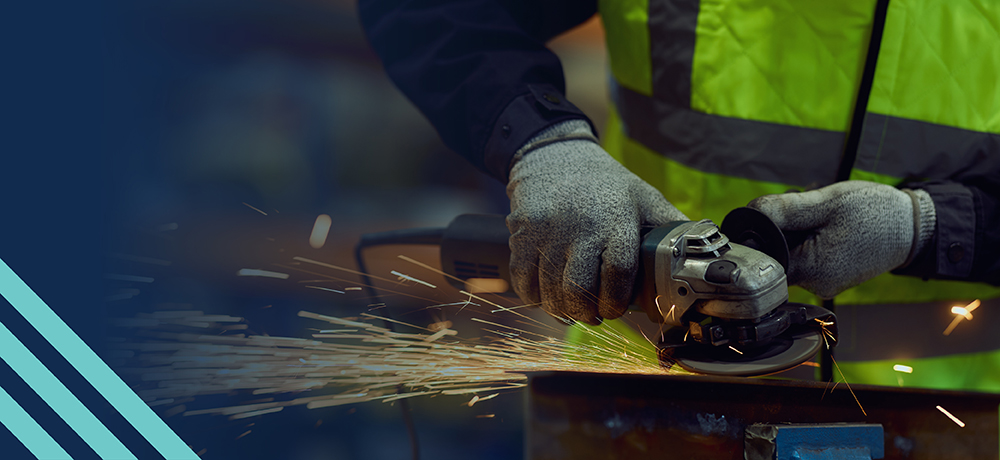
Using power tools is a daily part of work on most commercial job sites.
But it also brings real risk if proper safety practices are not followed.
Like many things on a job site, success starts with preparation, awareness and consistent execution. When teams take shortcuts with tools, injuries and equipment damage are never far behind.
Never skip inspection
Before any tool is powered on, it should be carefully inspected. Guards must be in place, cords should be free of damage, and moving parts need to function properly.
A quick check at the start of a shift can prevent a serious incident later. If something looks off, the tool should be taken out of service immediately and reported.
Training is critical
Training matters just as much as equipment condition. Only workers who understand how to properly operate a tool should be using it. That includes following manufacturer guidelines and using the correct attachments for the job.
Improvising or using tools outside their intended purpose is one of the fastest ways to create unnecessary risk.
PPE always
Personal protective equipment plays a critical role in keeping workers safe. Safety glasses, gloves, hearing protection and hard hats should be worn whenever required.
These are not optional safeguards. They are the last line of defense when something goes wrong.
Keeping a safe site
A safe job site also depends on the environment around the work. Keep areas clean and free of debris to reduce trip hazards. Make sure lighting is adequate so cuts and measurements are accurate.
Secure materials with clamps or supports before cutting or drilling so they do not shift unexpectedly. Stability matters, which means maintaining a firm grip and solid footing at all times.
Stay on alert
Attention and focus are just as important as physical precautions. Distractions, loose clothing or jewelry can quickly lead to accidents when working with moving parts. Staying alert and aware of your surroundings is essential every time a tool is in use.
Unplug first
Finally, always disconnect power tools before changing blades, bits, or performing maintenance. Proper storage and handling at the end of the day will extend the life of the equipment and keep the next user safe.
Safe power tool use comes down to inspection, proper training, the right protective equipment, and a controlled work environment. When every worker takes responsibility for these fundamentals, the entire job site becomes safer and more productive.
Prioritize safety at all times
Questions or concerns about your safety on the job? Please call your local PRST team. You can also learn more about our safety policies on our Tradesperson Resource Center.