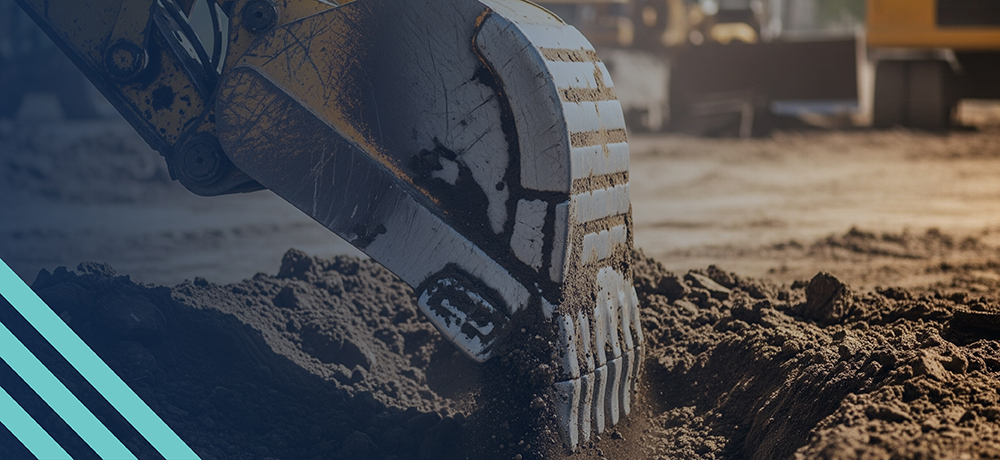
Trenching is one of the most hazardous activities on a construction site.
While trenches are necessary for many projects, they can quickly become dangerous if proper safety measures are not followed. Cave-ins, falls, falling objects and equipment-related incidents can all result in serious injuries or fatalities.
Just like any other high-risk task, trenching requires careful planning, proper protective systems and constant attention to site conditions.
Start with planning and inspections
Before any excavation begins, the work area should be carefully evaluated. This includes assessing soil conditions, identifying water accumulation risks and locating underground utilities. Striking a utility line can create serious hazards for workers and surrounding areas.
A competent person should inspect the trench daily and after any event that could affect stability, including heavy rain, vibrations or other site disturbances. Site plans should remain current, and all underground utilities should be clearly marked before work starts.
Use the right protective system
Trenches deeper than five feet generally require a protective system to help prevent cave-ins. The type of protection used depends on the trench depth, soil classification and overall site conditions.
Shoring systems use supports to stabilize trench walls and reduce the risk of collapse. Shielding systems, such as trench boxes, provide a protected work area for employees inside the excavation. Sloping involves cutting trench walls back at an angle to reduce pressure on the sides of the trench.
No matter which method is used, protective systems should be installed correctly and inspected regularly to ensure they remain effective throughout the project.
Provide safe access and exit points
Workers should always have a safe way to enter and exit a trench. Ladders, ramps or steps should be located within 25 feet of workers so they can quickly leave the excavation if an emergency occurs.
Workers should never climb trench walls to enter or exit a work area. In addition, heavy equipment, materials and spoil piles should be kept away from trench edges to help prevent added pressure that could lead to a collapse.
Stay alert for changing hazards
Trench conditions can change quickly. Water accumulation can weaken soil stability and increase the risk of a cave-in. Falling tools, materials and debris can also create hazards for workers below ground.
Depending on the location and depth of the excavation, hazardous atmospheres may also be present. Air monitoring may be required when toxic gases or oxygen-deficient conditions are possible.
Workers should never work beneath suspended loads, and barricades, warning signs and other controls should be used to keep unauthorized personnel away from trench areas.
Training and communication are critical
Every worker involved in trenching operations should receive proper safety training before work begins. Employees should understand site hazards, protective systems, emergency procedures and the importance of reporting unsafe conditions immediately.
Open communication between workers and supervisors helps identify potential issues before they become serious safety concerns. Everyone on site plays a role in maintaining a safe excavation area.
Vigilance is key
Trenching hazards can develop without warning, making vigilance essential on every job site. Proper planning, daily inspections, protective systems and worker training help reduce the risk of injuries and fatalities.
When workers follow trench safety procedures and remain aware of changing conditions, they help create a safer work environment for everyone.
Prioritize safety at all times
Questions or concerns about your safety on the job? Please call your local PRST team. You can also learn more about our safety policies on our Tradesperson Resource Center.