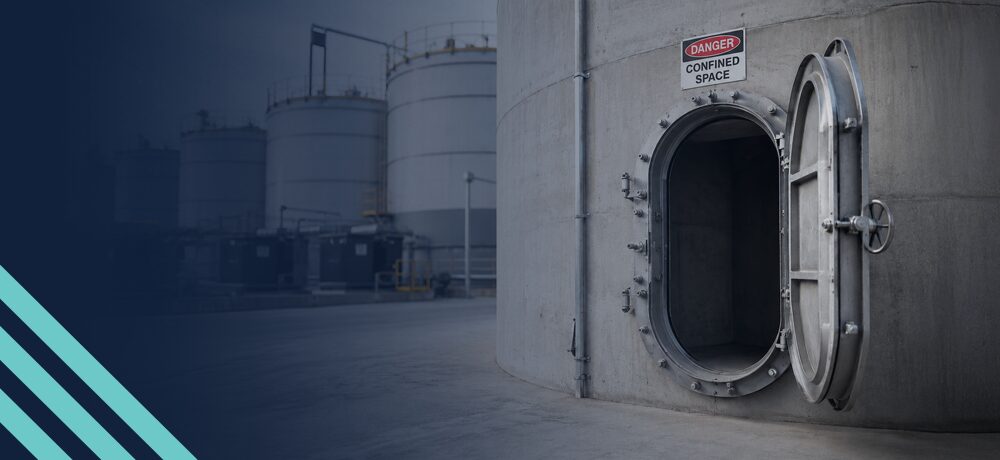
Understanding confined space hazards
Confined spaces are among the most dangerous work environments on a construction site. Restricted access, limited ventilation and the potential presence of hazardous atmospheres can quickly turn routine work into a life-threatening situation if proper safety procedures are not followed.
A confined space is any area not intended for continuous occupancy, including tanks, silos, vaults, manholes and similar enclosed spaces.
Because conditions can change rapidly inside these environments, every confined space entry must be approached with caution and careful planning.
Conducting a proper hazard assessment
Before any worker enters a confined space, a competent person must evaluate the area to identify potential hazards and determine whether the space qualifies as permit-required.
This assessment is critical for identifying risks such as oxygen deficiency, toxic gases, flammable vapors or engulfment hazards.
Atmospheric testing must be completed before entry and continue throughout the work process. Oxygen levels, combustible gases and toxic contaminants should all be monitored to ensure conditions remain safe for workers inside the space.
Maintaining safe air quality
Proper ventilation plays a major role in confined space safety. Ventilation systems should be used to maintain safe air quality and help remove harmful fumes, dust or gases that may build up during work activities.
Workers should never assume the atmosphere inside a confined space is safe simply because it appeared clear during an initial inspection. Conditions can change quickly, which is why continuous monitoring and ventilation are essential throughout the entry.
The importance of attendants and communication
Confined space entry requires trained personnel, an approved entry permit, and a designated attendant stationed outside the space at all times. The attendant serves as a critical safety contact and must maintain constant communication with workers inside the confined area.
Attendants should remain alert and prepared to initiate emergency procedures if conditions become unsafe. Their role is essential in helping ensure workers can exit quickly if a hazard develops.
Using proper protective equipment
Workers entering confined spaces must wear the appropriate personal protective equipment based on the hazards identified during the assessment process. Depending on the environment, this may include respirators, harnesses, lifelines, gloves, hard hats and protective clothing.
All equipment should be inspected before use to ensure it functions properly and provides the necessary level of protection.
Emergency planning saves lives
Rescue plans must be established before work begins. Emergency procedures should never be created after an incident occurs. Rescue equipment must be readily available, and workers should understand exactly how emergency response procedures will be carried out if needed.
Preparation, communication, and training are all key components of preventing serious injuries and fatalities in confined spaces.
Safety requires constant attention
Confined space work demands careful planning, continuous monitoring, proper protective equipment, and strict adherence to safety procedures. When workers and supervisors stay focused on these fundamentals, they help create a safer environment for everyone on the job site.
Prioritize safety at all times
Questions or concerns about your safety on the job? Please call your local PRST team. You can also learn more about our safety policies on our Tradesperson Resource Center.